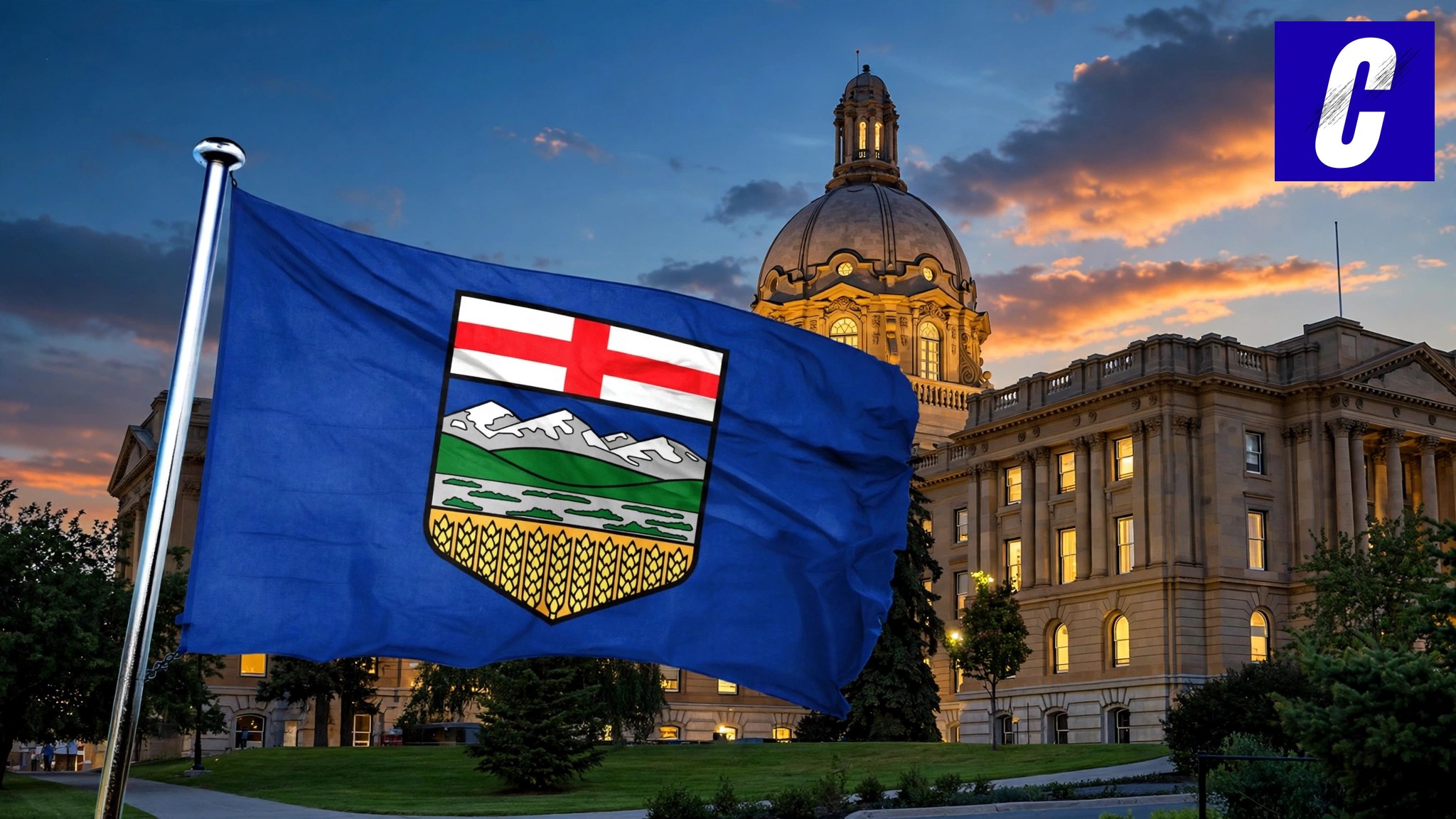
Albertans have voted overwhelmingly to remain part of Canada, rejecting a proposal to begin the legal process that could one day lead to a binding referendum on separation.
In unofficial results from Elections Alberta, the “remain” side took about 75 percent of the vote — roughly 1.43 million ballots — against about 25 percent, or 467,000 votes, for starting the separation process. CBC projected the result shortly after midnight, and the count continues by hand.
The referendum, held on Monday, October 19, put ten questions to Albertans. But it was Question 10 — the separation question — that drew national attention and turned a provincial vote into a moment watched in Ottawa and beyond. More than 1.35 million Albertans, 43 percent of eligible voters, had already cast advance or special ballots before election day, and results were delayed after more than 100 voting places opened late and extended their hours.
What Albertans were actually asked
Despite the headlines, Monday’s vote was not a direct vote on independence.
Question 10 gave voters two choices: Alberta should remain a province of Canada, or the provincial government should begin the legal process required under the Constitution to hold a binding referendum on separation at a later date.
The question was also non-binding. Even a “yes” to the separation path would not have separated Alberta — it would only have started a process. Voters rejected even that first step by a margin of roughly three to one.
Premier Danielle Smith added the question in May, after separatist organizers collected hundreds of thousands of signatures on a petition demanding a vote. Smith herself campaigned for Alberta to stay, citing a poll showing 22 percent support for separation — a figure she said was still too high.
What voters said at the ballot box
The most revealing votes came from people who chose the separation path without actually wanting to leave.
Edmonton voter Shawn Campbell told the Associated Press he voted to begin the process even though he does not want Alberta to separate. “It sends a message to Ottawa that Albertans are not happy,” he said.
In Wainwright, voter Dustin Degenhardt voiced the grievance behind much of the movement: “Alberta has essentially been treated as, you know, a colony. They want to take and take and take from us and not return anything.” Another Wainwright voter, Taylor MacIsaac, went further: “I think it’ll be good for Alberta to separate personally, as a very conservative individual that grew up in rural Alberta.”
On the other side, Dave Malka, 59, of Edmonton, criticized holding a “referendum on a referendum” instead of spending the money on health care. “It seems to be happening at the absolute worst time when we should be united,” he said. “Instead we’re fighting among ourselves.”
And in Calgary, Jake Graham, 35, hoped the result settles it: “I hope this squashes this for a long time to come and that it’s clear and decisive, that these grumblings disappear for a while and we can be a united Canada.”
The results, question by question
Question 10 was counted first. The other nine — five on immigration and access to services, four on constitutional change — delivered Smith most of the mandate she asked for, though several passed narrowly. Carney had campaigned against all nine.
| # | Question (short form) | Unofficial result |
|---|---|---|
| 10 | Remain in Canada, or start the separation process | Remain 75.3% |
| 1 | More provincial control over immigration | Yes 54.4% |
| 2 | Limit provincially funded programs to citizens, permanent residents and approved status | Yes 55.7% |
| 3 | 12-month residency before social supports for non-permanent residents | Yes 58.0% |
| 4 | Fees for health care and education for non-permanent residents | Yes 57.5% |
| 5 | Proof of citizenship to vote in provincial elections | Yes 63.9% |
| 6 | Provinces choose King’s Bench and Appeal court judges | Yes 51.8% |
| 7 | Abolish the Senate | Yes 53.7% |
| 8 | Opt out of federal programs without losing funding | No 50.9% |
| 9 | Provincial laws take priority over federal laws in shared areas | Yes 51.0% |
Question 8 — opting out of federal programs while keeping the funding — was the only one of the nine to fail. Several others passed by a point or two, and legal experts note the constitutional questions face a high bar regardless — abolishing the Senate would require agreement from Ottawa and every province.
Why a quarter of Alberta voted to start leaving
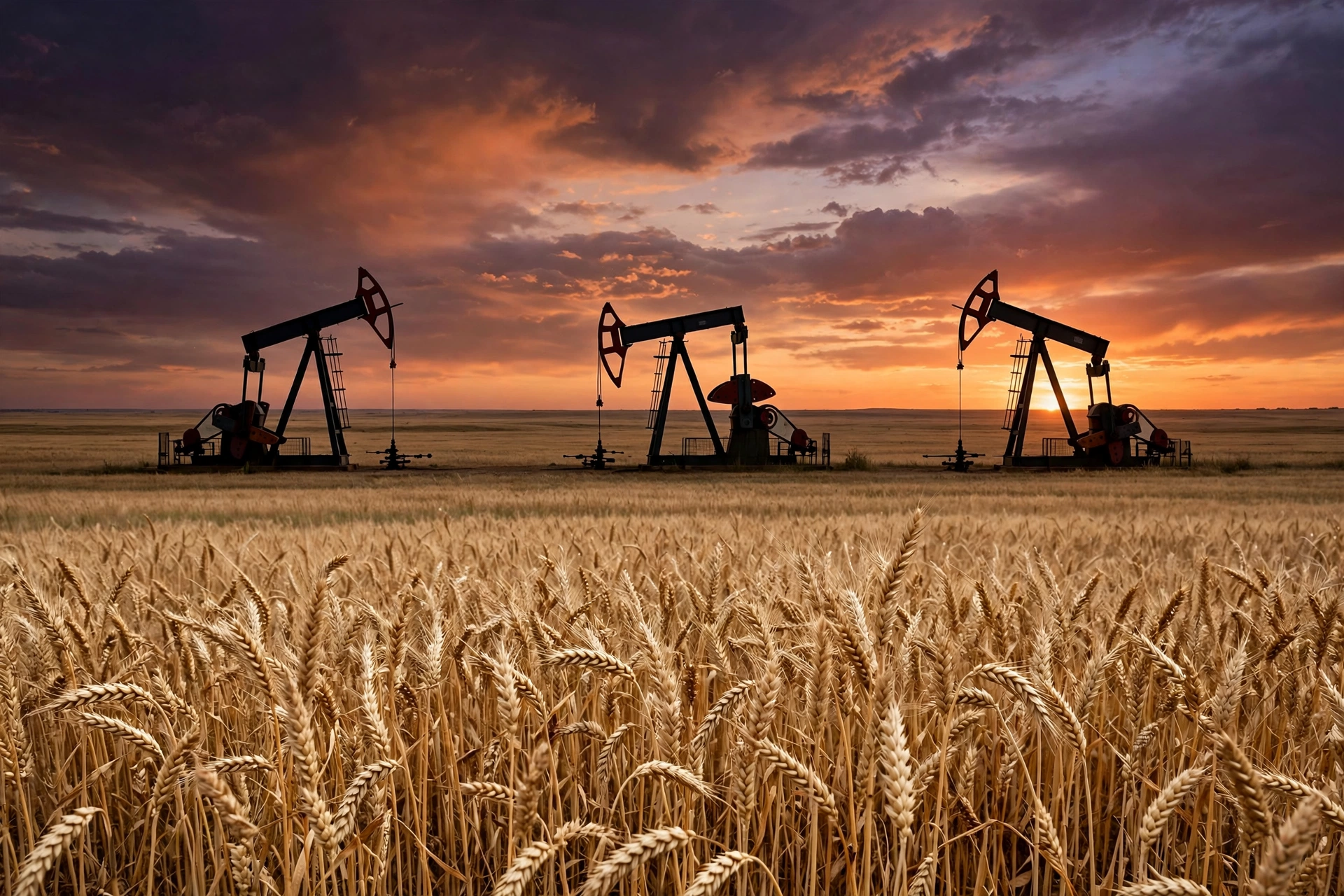
The grievances behind the vote are old. Alberta, home to about 5 million people, produces more than 4 million barrels of oil a day and ships most of it to refineries in the United States, making energy Canada’s largest export category. The province also holds the world’s fourth-largest proven oil reserves.
Many Albertans have long argued the province sends far more money to Ottawa than it gets back, and anger at the previous federal government’s climate and energy policies became the separatist movement’s fuel. The pattern in Monday’s results tells the story: the separation option actually led in a handful of rural ridings, including Central Peace-Notley and Rimbey-Rocky Mountain House-Sundre, while “remain” won large majorities in Calgary and Edmonton.
The growth is the story underneath the result. Former premier Jason Kenney noted that separatist parties traditionally attracted just 1 or 2 percent of the vote. On Monday, one in four Albertans voted to start the machinery of leaving — and separatist leaders, who once called 30 percent a dream result, say the movement will not disappear. Some are already pushing to remove Smith as leader of her United Conservative Party, raising the prospect of a split and a new pro-independence party.
The vote also landed in the shadow of U.S. President Donald Trump’s trade war and repeated annexation threats, which have rallied Canadians around national unity. Carney campaigned in Edmonton, where he grew up, with a blunt message: “Vote like Canada’s future depends on it because it does.”
The reactions
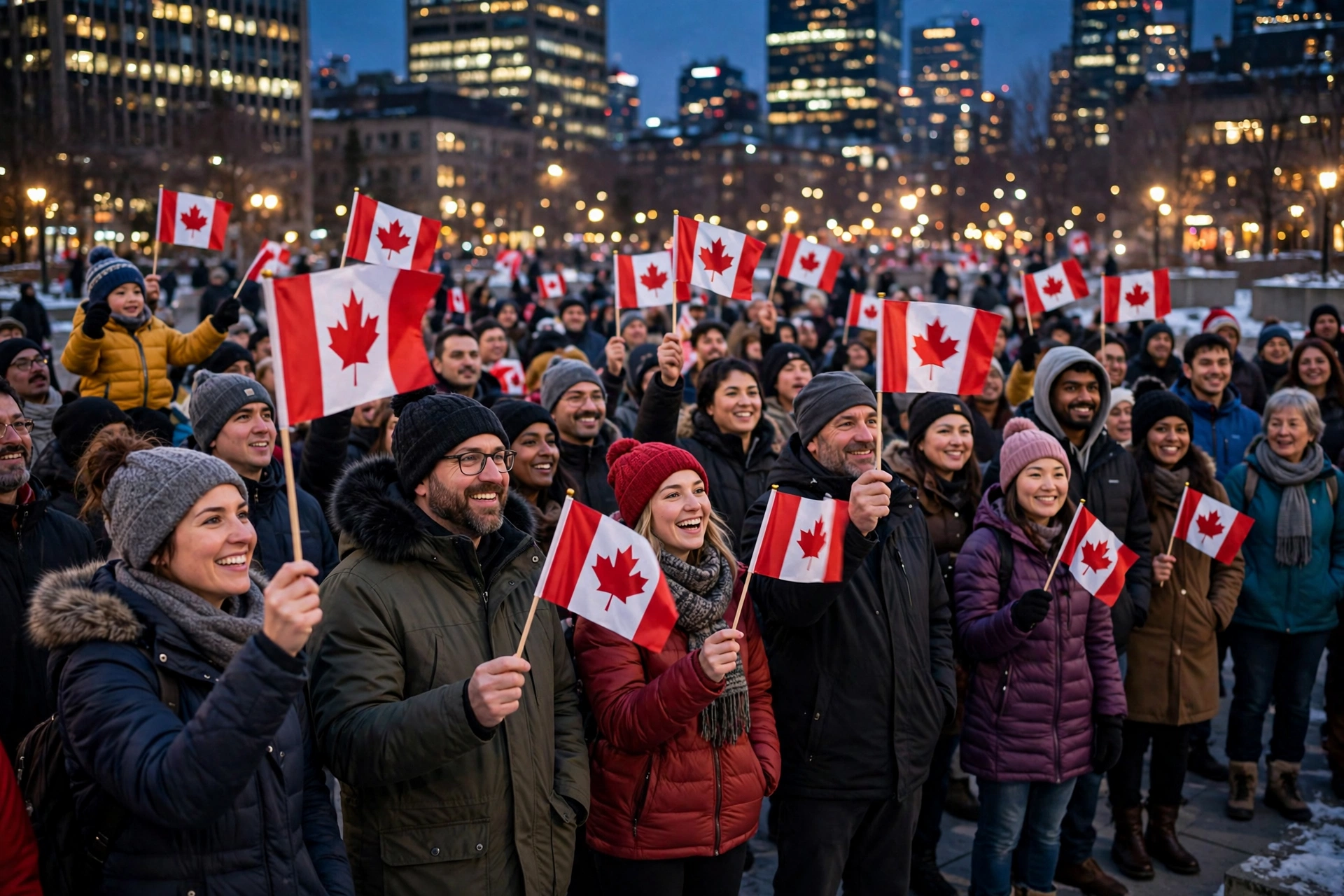
Carney welcomed the result before a cabinet meeting in Ottawa on Tuesday. “It’s a great result for Canada that Albertans have chosen unity,” he said, adding that Albertans “chose to build together.” He was careful about the quarter who voted the other way, saying they did not necessarily want independence — that only a smaller “hard core” may actually want to leave.
Smith struck a similar note. “I’m very pleased to see the initial results from Elections Alberta show widespread support for remaining in Canada,” she said. “Albertans have voted for a stronger Alberta in a united Canada.” She has said she will not hold a second vote while she is premier now that the “remain” side has won.
Thomas Lukaszuk, a former Alberta deputy premier who led the Forever Canadian campaign, told supporters: “We are a solid country that’s united from coast to coast to coast.”
What happens next
Ballots are counted by hand, and Elections Alberta’s official results are due on October 29. Smith is expected to treat the eight passed questions as her mandate to press Ottawa on immigration and constitutional change — demands that mostly require federal agreement she does not yet have.
For now, the separation question has its answer: Alberta stays. But a movement that once polled at 1 percent just took a quarter of the vote, its leaders are talking about taking over the governing party, and the argument over Alberta’s place in Canada is quieter tonight — not finished.